
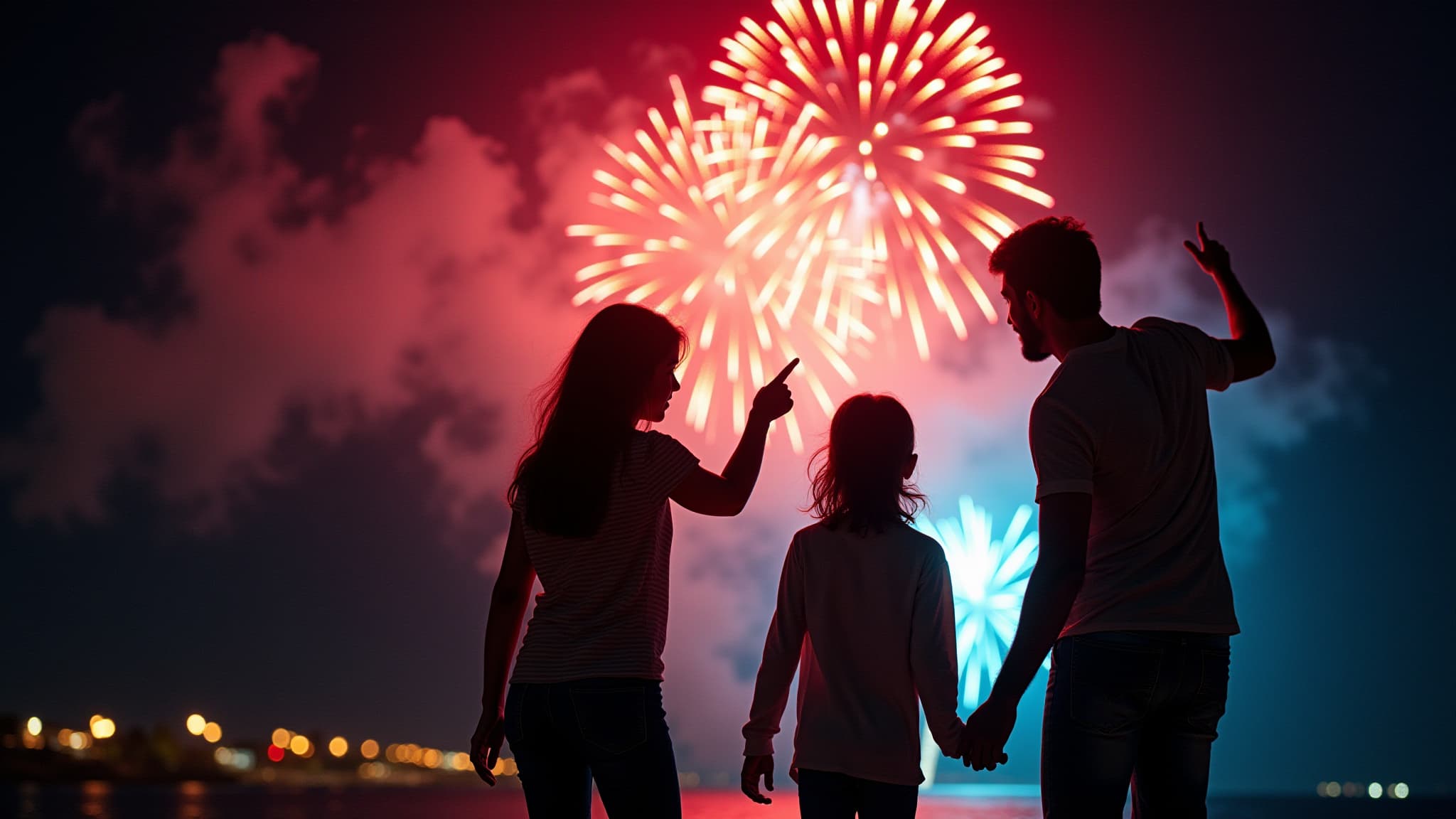
Fireworks Safety: How to Have a Safe and Fun 4th of July
Everything you need to know about using fireworks safely this 4th of July. From preparation checklists to safety tips for every firework type, this guide covers it all.
Not by faces, not by ears, not by eyes, because that brings tears.
A simple rhyme worth remembering. Never aim or point a firework toward anyone’s face, ears, or eyes.
Why Fireworks Safety Matters
Every year, thousands of Americans visit the emergency room with fireworks related injuries. According to the U.S. Consumer Product Safety Commission, roughly 10,000 fireworks injuries are treated at emergency rooms annually, with the majority occurring in the weeks surrounding the 4th of July. Burns, lacerations, and eye injuries top the list. The good news is that the vast majority of these injuries are completely preventable.
At Willy’s Works Fireworks in Crown Point, Indiana, we have been helping families celebrate safely since 1982. That is 44 years of experience, and we have learned a thing or two about what separates a great fireworks show from a trip to the hospital. This guide will walk you through everything you need to know to keep your celebration safe, fun, and memorable for all the right reasons.
Before You Light: Your Preparation Checklist
Great fireworks shows start long before you strike the first fuse. Preparation is the single most important factor in staying safe. Here is your complete pre show checklist:
Choose the Right Location
You need a large, flat, open area away from buildings, dry grass, trees, and vehicles. A driveway, large patio, or open field works well. The ideal launch zone gives you at least 150 feet of clearance in all directions for aerial fireworks, and at least 35 feet for ground items like fountains.
Gather Your Safety Equipment
- A connected, charged garden hose
- A large bucket of water for soaking duds and spent fireworks
- A fire extinguisher (ABC rated)
- Safety glasses for the person lighting
- A flashlight or headlamp for reading labels in the dark
- A long reach lighter or road flare (never use a short lighter or match)
- Closed toe shoes for everyone present
Dress for Safety
What you wear matters more than most people think. Choose tight fitting clothing and long sleeves made of cotton or other natural fibers. Loose shirts and baggy sleeves can catch a stray spark, or even a stray shell, and hold it against your body, turning a near miss into a serious injury. Skip synthetic fabrics that melt, and always wear closed toe shoes. Even when you do everything else right, accidents happen, and dressing smart is one more layer of protection.
Designate a Sober Adult Supervisor
This is non negotiable. One adult must be completely sober and in charge of the entire show. Alcohol and fireworks do not mix. The designated lighter should be the only person handling fireworks, period. Everyone else watches from a safe distance.
Read Every Label Before Dark
Take time while it is still light out to read the instructions on every single firework you plan to use. Note the fuse location, the recommended distance, and any special instructions. Organize your fireworks in the order you plan to light them so you are not scrambling in the dark.
Alert Your Neighbors
A quick heads up to your neighbors goes a long way, especially those with pets or veterans who may be sensitive to sudden loud noises. It is the courteous thing to do and helps prevent unnecessary 911 calls.
Lighting Fireworks Safely: Step by Step
When it is time to start the show, follow these rules every single time:
- Light one firework at a time. Never try to light multiple items simultaneously. Give each piece its full moment.
- Light at arm’s length. Extend your arm fully, light the fuse, and move away quickly. Never lean over a firework to light it.
- Move away immediately. Once the fuse is lit, walk (do not run) back to a safe distance. Running increases the risk of tripping.
- Never relight a dud. If a firework fails to ignite, leave it alone for at least 20 minutes. Then soak it with water before handling.
- Never point fireworks at people, animals, or structures. This includes Roman candles, which should always be placed in a secure holder, not held in your hand.
- Keep the audience behind the lighter. Spectators should always be behind or to the side of the person lighting, never in front or downrange.
- Wait between items. Allow each firework to fully complete before approaching to light the next one. Patience prevents accidents.
Safety Tips by Firework Type
Cakes (Multi Shot Aerials)
Cakes are the backbone of any backyard show. They contain multiple shots fused together in sequence. Place them on a flat, hard surface. Some people secure them with bricks or sandbags on the sides to prevent tipping. Light the single fuse and move back to at least 150 feet. Never stand over a cake to light it. If it tips during firing, do not approach it. Let it finish and deal with it after.
Fountains
Fountains are ground level items that produce beautiful sprays of sparks, color, and crackling effects. They are one of the safest consumer fireworks because they stay on the ground. Place them on a flat surface, light the fuse, and stand back at least 35 feet. They are great for younger audiences, but always supervised by an adult.
Sparklers
Sparklers seem harmless but burn at over 1,200 degrees Fahrenheit. That is hot enough to melt gold. Only allow children 12 and older to use them, and only while directly supervised. Hold sparklers at arm’s length, wave them slowly, and drop spent ones immediately into a bucket of water. Never hand a lit sparkler to someone. Let each person light their own. Avoid sparkler "sword fights" at all costs.
Roman Candles
Roman candles fire a series of colorful shots into the air from a single tube. Despite what you see in movies, never hold a Roman candle in your hand. Plant it firmly in the ground or in a tube holder, light it, and move back. If a ball gets stuck in the tube, do not look down the barrel. Treat it like a dud and soak it after 20 minutes.
Artillery Shells
Artillery shells are the big crowd favorites that produce large aerial bursts. They require a mortar tube for launching. Always place the mortar tube on flat ground and stabilize it so it cannot tip. Drop the shell into the tube with the fuse hanging out the top. Light the fuse and move back quickly to at least 150 feet. Never look into a mortar tube, even if a shell fails to launch.
Kids and Fireworks
Children are naturally drawn to fireworks, and that excitement is part of what makes the 4th of July so special. But keeping kids safe requires clear rules:
- Children under 12 should not handle any fireworks, including sparklers. Give them glow sticks, LED sparkler wands, or snap pops (those small paper wrapped poppers that bang when thrown on the ground).
- Children 12 to 17 can use sparklers and small fountains under direct adult supervision. An adult should light the item and hand it off, or supervise the teen lighting it.
- Only adults 18 and older should handle aerial fireworks, cakes, artillery shells, and Roman candles.
- Establish a clear "safe zone" where kids watch from a distance and a "fire zone" that only the designated adult enters.
- Teach children to never pick up spent fireworks. Even after they appear done, they can still be hot enough to cause burns.
What to Do If Something Goes Wrong
Dud Fireworks
A dud is a firework that was lit but did not go off. Do not approach it for at least 20 minutes. The fuse may still be slowly burning inside. After 20 minutes, approach carefully, pick it up, and submerge it completely in a bucket of water. Let it soak overnight before disposal.
Minor Burns
For small burns, run cool (not cold) water over the area for at least 10 minutes. Do not apply ice, butter, or any home remedies. Cover loosely with a clean bandage. If the burn is larger than the palm of your hand, blistered, or on the face, hands, or joints, seek medical attention immediately.
Eye Injuries
If someone gets debris in their eye, do not rub it or attempt to remove anything. Cover the eye loosely with a clean cloth and get to an emergency room immediately. Eye injuries from fireworks can be severe but are treatable if addressed quickly.
When to Call 911
Call 911 immediately if there is a fire that you cannot extinguish, a serious burn, an eye injury, any injury involving bleeding that will not stop, or if someone is unconscious. Do not hesitate. It is always better to call and not need help than to need help and not call.
After the Show: Cleanup and Disposal
The show is not over when the last firework fades. Proper cleanup is critical to preventing fires and injuries after the fact:
- Wait at least 30 minutes after the last firework before beginning cleanup.
- Use a flashlight to locate all spent casings, debris, and any unfired items.
- Submerge everything in a large bucket or trash can filled with water.
- Let everything soak for at least 30 minutes (overnight is even better).
- Once fully soaked, bag the debris in heavy duty trash bags for disposal.
- Do a daylight sweep of the area the next morning to catch anything you missed.
- Check your roof, gutters, and yard for any debris or scorch marks.
Never leave spent fireworks in a dry trash can or dumpster. Even hours later, embers can reignite and cause a fire.
A safe show also starts with knowing what is legal to light and when. Read our Indiana Fireworks Laws Guide for the dates, age limits, and what counts as a consumer firework under state law. If you want the safe-show framework built for you, our Fireworks Show Packages by Budget guide pairs every package with a timed lightoff schedule designed around these safety rules.
A Real Story: Even the Pros Get Hurt
We share this next part because it may be the most important lesson in this entire guide. The following is a first hand account from a member of the Willy’s Works family, in his own words. It is hard to read, and that is exactly the point.
On the 4th of July in 2019, after closing the shop, I took a pro line compound cake to a friend’s party and fireworks show. Unfortunately, the cake had unnoticeable damage to one of the mortar tubes.
The shell never left the tube. It blew the fireworks apart and sent shells flying in all directions. I turned and ducked, but I felt the sharp, blunt force of a shell launch into my back, on the left side, under my arm. BAM. I actually remember thinking it had bounced off me and would not cause any injury.
What I did not realize was that it had shot perfectly into the loose fitting short sleeve of my shirt, up into my underarm, and was pinned against my back inside my shirt when BOOM. The blast sent me flying several feet and caught my shirt and hair on fire. I ran from the blast area while other shells exploded all around me, and the running ripped my shirt off and put my hair out. As I ran, I could feel what seemed like my insides spilling out of my back. Thankfully they stayed where they belonged, but I had plastic shrapnel embedded deep in my flesh, a serious open laceration, third degree burns on 18 percent of my body, and toxic gun powder in my flesh and bloodstream, which can be fatal.
The local hospital was not equipped to handle my injuries, so I was rushed to the Loyola Burn Unit in Chicago. Because of the risk of blood thinning and infection, I could not be given any pain medication while they scrubbed the third degree burns down to the deepest layers with a brillo style pad to remove the chemicals and gun powder. They say ingesting gun powder makes you crazy. But I was crazy way before this.
The point is this. Even when you are being careful, accidents happen. Take fireworks safety extremely seriously so you and your family can enjoy the season.
Ready to Plan Your Show?
Browse our full selection of fireworks with video demos so you know exactly what you are buying before you visit the store. Every product page features a demo video so you can see the effects, hear the noise level, and pick the perfect fireworks for your celebration.
Browse Our Fireworks CollectionFrequently Asked Questions
What is the number one rule of fireworks safety?
Never allow children to handle fireworks unsupervised. A sober, responsible adult should always be in charge of lighting and managing fireworks. Keep spectators at a safe distance, have water and a fire extinguisher nearby, and never attempt to relight a dud.
How far away should spectators stand from fireworks?
For aerial fireworks like cakes and artillery shells, spectators should stand at least 150 feet away. For ground items like fountains, 35 feet is generally safe. Always read the label on each product for the recommended safety distance.
Are sparklers safe for young children?
Sparklers burn at over 1,200 degrees Fahrenheit, which is hot enough to melt glass. They are not recommended for children under 12. For younger children, consider glow sticks or LED sparkler alternatives as a much safer option.
What should I do if a firework does not go off?
Wait at least 20 minutes before approaching a dud firework. Never try to relight it. After waiting, soak it thoroughly with water, then place it in a bucket of water and let it sit overnight before disposing of it in the trash.
How do I properly dispose of used fireworks?
After your show, soak all spent fireworks and debris in a bucket of water for at least 30 minutes. Once fully saturated, place them in a metal trash can or heavy duty trash bag. Never put hot or dry spent fireworks directly in a dumpster or regular trash can.
Is it safe to set off fireworks in my backyard?
Yes, as long as you have enough clear space. Remove any flammable materials, dry leaves, or low hanging branches from the area. Use a flat, hard surface to launch from, and make sure your neighbors are aware. Always check your local municipality for any additional rules.
What safety gear should I have on hand?
Keep a garden hose connected and charged, a bucket of water, a fire extinguisher, safety glasses, and a flashlight nearby. Wear closed toe shoes and avoid loose fitting clothing that could catch a spark.